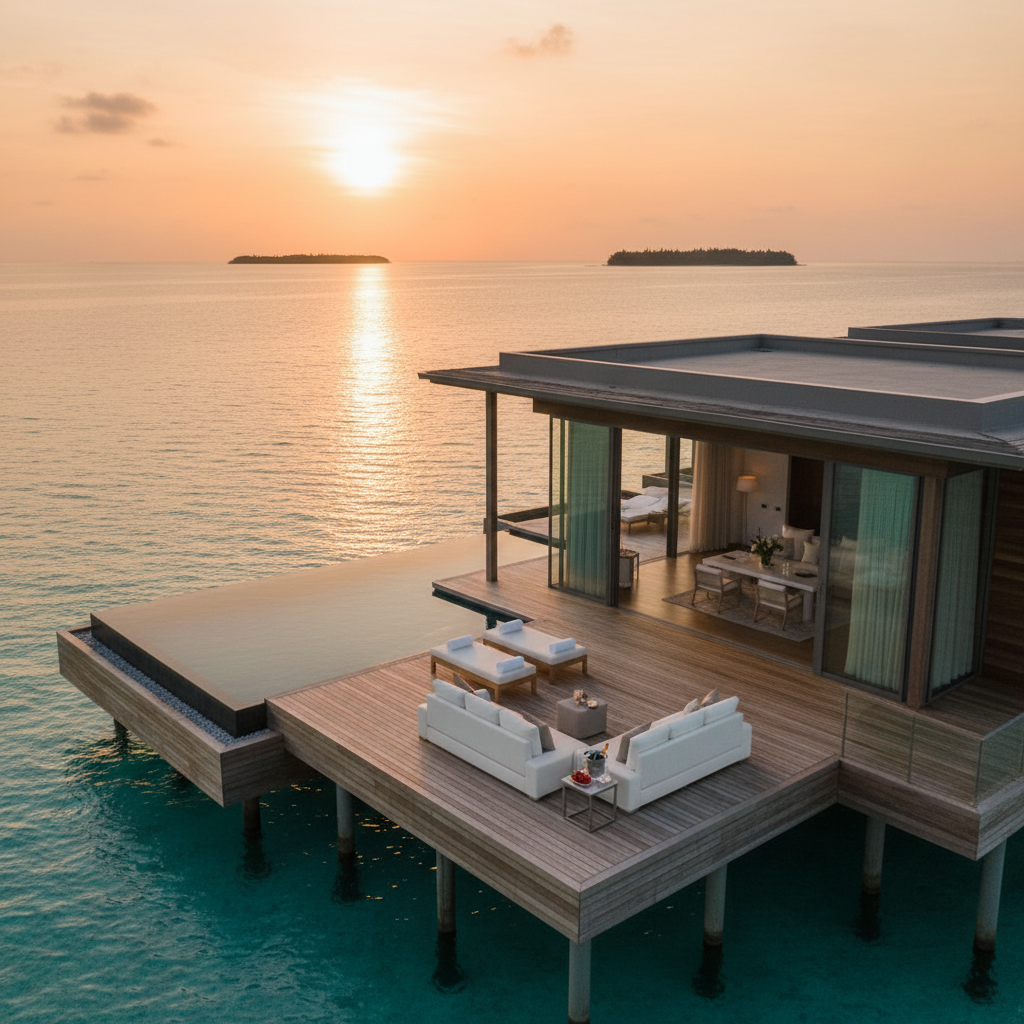
High-net-worth individuals are increasingly rejecting pre-packaged luxury in favor of journeys designed around their specific passions, interests, and even their mood on any given day. This shift has fundamentally changed how the most sophisticated travelers approach trip planning—moving from selecting destinations to architecting transformational experiences that blend exclusive access, meaningful encounters, and meticulous logistics into seamless journeys.
Understanding the Luxury Travel Evolution
The one-size-fits-all approach to luxury travel is now obsolete. Today's affluent travelers expect itineraries crafted around their specific desires, from their preferred style of accommodation to their dining preferences and desired level of spontaneity. Travel advisors are moving beyond pre-packaged tours to design journeys from the ground up, treating each trip as a unique creative project rather than a transaction.
This evolution extends beyond mere customization into what industry professionals term "transformational travel." Affluent travelers are seeking meaningful and authentic experiences that foster personal growth and connection—ranging from spiritual treks through remote Himalayan monasteries to hands-on conservation efforts in African wildlife reserves. The common thread is that these experiences must offer more than relaxation; they must provide lasting impact and personal significance.
The rise of "bleisure" travel—where business and leisure seamlessly blend—has further complicated the equation. A significant number of high-net-worth individuals now extend business trips into extended journeys, requiring accommodations and itineraries that can accommodate both intensive work sessions and rejuvenating experiences. This has led to longer trips and a demand for properties offering dedicated workspaces alongside world-class amenities.
Defining Your Travel Priorities and Preferences
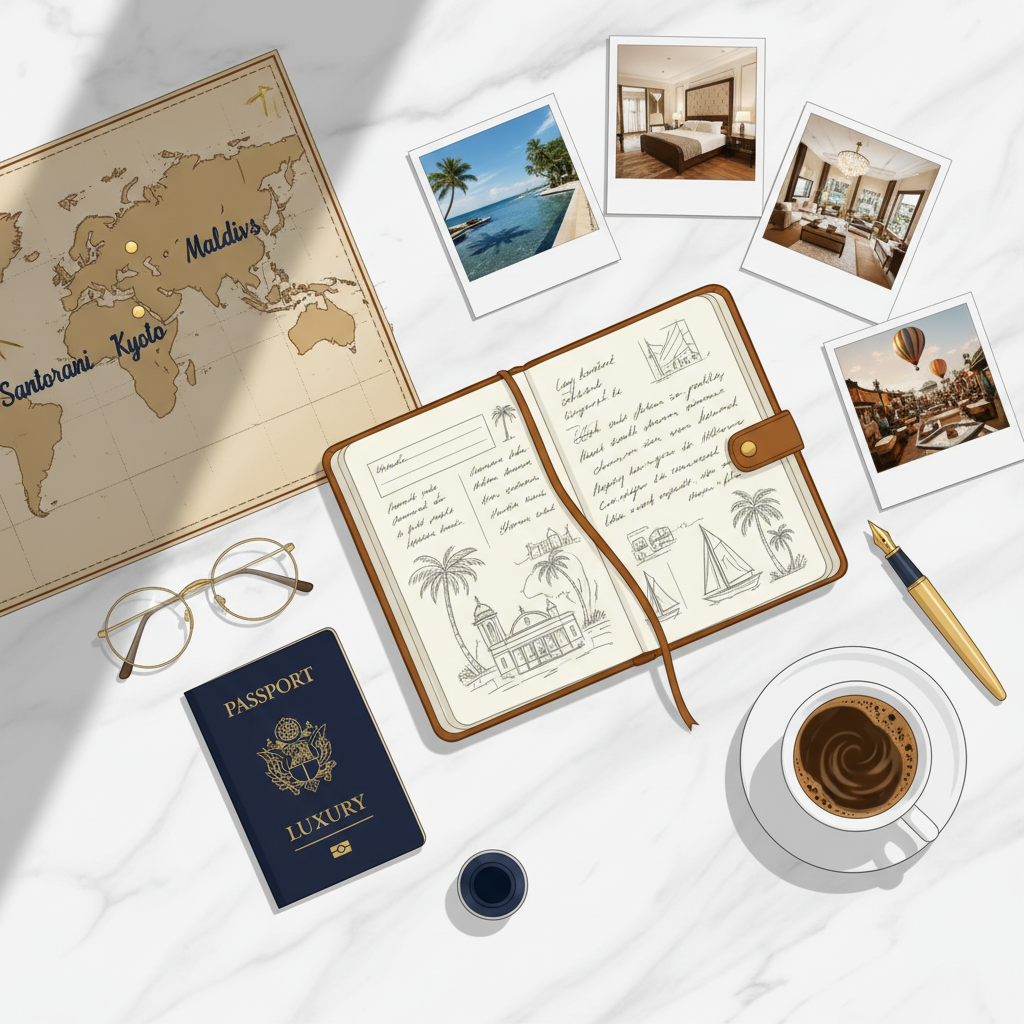
Strategic planning begins with a comprehensive assessment of personal travel priorities and preferences
Before engaging with destinations or properties, the strategic traveler must conduct an honest self-assessment. This process involves identifying not just what you enjoy, but understanding the hierarchy of your preferences. Consider whether you prioritize culinary discovery over adventure activities, whether privacy trumps social opportunities, and whether cultural immersion matters more than physical comfort.
The most effective approach involves creating a detailed preference profile that addresses multiple dimensions: accommodation style (boutique versus grand hotel, contemporary versus traditional), activity intensity (active exploration versus contemplative relaxation), social dynamic (private experiences versus curated group encounters), and sensory preferences (cuisine types, climate tolerances, aesthetic sensibilities).
Multi-generational luxury family trips require particular attention to preference mapping. When traveling with extended family, the challenge lies in finding experiences that resonate across age groups while providing opportunities for both shared moments and individual pursuits. This might mean selecting a private villa property where grandparents can enjoy spa treatments while teenagers pursue water sports, with curated family dinners bringing everyone together each evening.
Strategic Destination Selection

Destination selection involves understanding seasonal patterns, cultural calendars, and access considerations
Destination selection for the strategic luxury traveler extends far beyond choosing a country or city. It requires understanding the interplay between timing, access, and experience quality. The same destination can offer radically different experiences depending on when you visit, how you arrive, and whom you know on the ground.
Emerging and unconventional luxury destinations deserve particular consideration. While established destinations like the French Riviera or Maldives continue to attract visitors, discerning travelers are increasingly drawn to places offering authentic cultural encounters without the crowds. This might mean exploring Georgia's wine regions before they become mainstream, or discovering Japan's lesser-known ryokans in mountain villages far from Kyoto's tourist trails.
Securing access to exclusive events and festivals can transform a destination visit into an unforgettable experience. Whether it's attending Monaco Grand Prix with paddock access, experiencing Carnival in Rio from a private box, or participating in a traditional Japanese tea ceremony with a master practitioner, these moments require advance planning and established relationships with local fixers who can open doors unavailable to general visitors.
Mastering Accommodation Matching
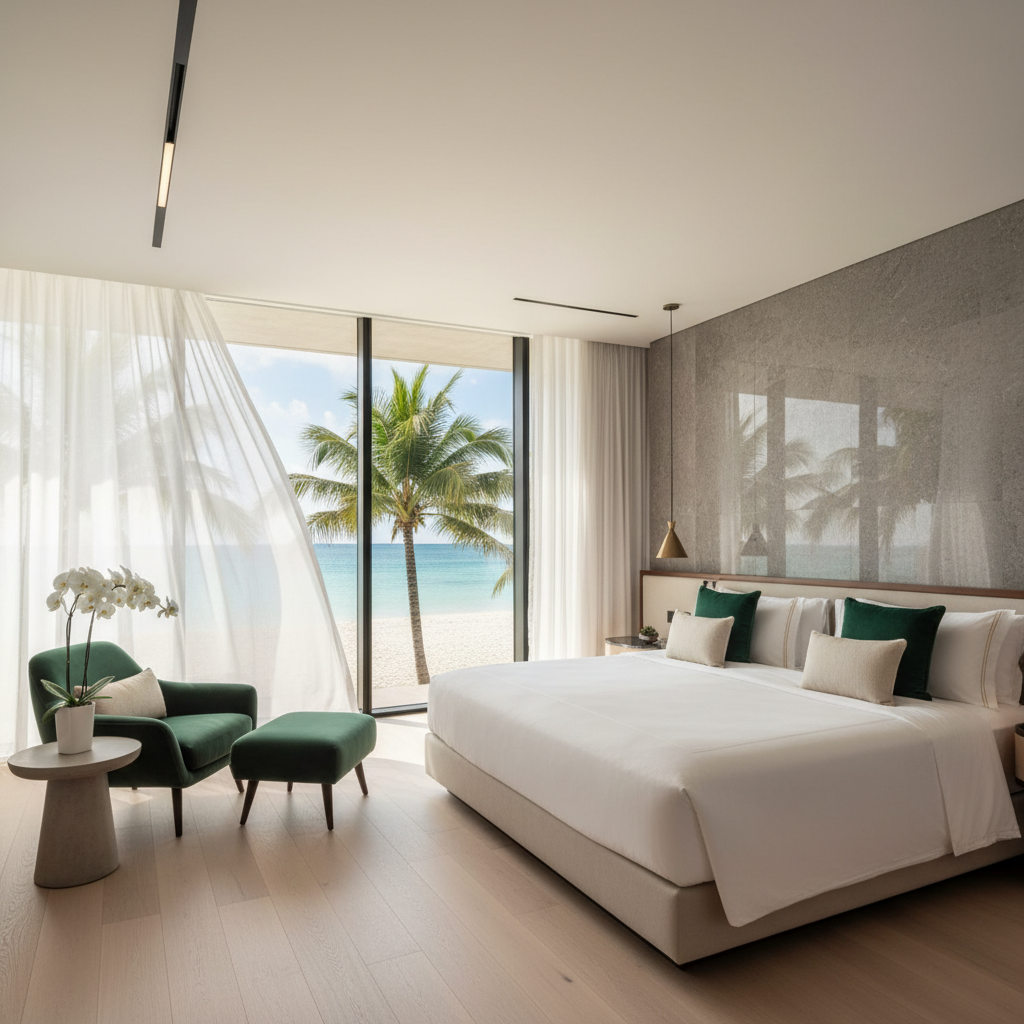
The right accommodation serves as a base for experiences while becoming an experience itself
While luxury hotel chains remain popular, there is a growing preference for unique and immersive lodging experiences. Private villas, exclusive-use properties, and high-end boutique hotels offer a distinct sense of place and privacy that even the finest international brands cannot replicate. The key lies in matching accommodation style to trip purpose and personal preference.
For those seeking the ultimate in seclusion, private island resorts represent the apex of exclusive accommodation. These properties offer complete privacy, personalized service ratios that can approach one-to-one, and the freedom to design each day without external constraints. However, they require careful consideration of accessibility, as reaching remote islands often involves multiple transfers that can be exhausting after long-haul flights.

Strategic accommodation matching considers both property attributes and experience objectives
The five-star all-inclusive model has evolved significantly, now offering curated experiences rather than merely unlimited consumption. Properties in this category increasingly focus on quality over quantity, with dedicated sommeliers, private dining experiences, and exclusive excursions included in the rate. This approach appeals to travelers who prefer predictable budgeting while maintaining access to premium experiences.
Technology and Tools for Advanced Planning

Modern planning tools integrate multiple data sources to create seamless itineraries
Travel advisors are utilizing advanced software to build and manage complex itineraries. Platforms like Travefy, Axus, and Tern have become industry standards, offering features that go beyond simple scheduling. These tools include Customer Relationship Management capabilities to store client preferences, detailed supplier information, and collaboration features that allow for co-editing of itineraries with destination management companies.
Some platforms now incorporate artificial intelligence to parse supplier confirmations and build itinerary segments automatically, saving significant time during the planning process. This technology allows advisors to focus on the creative and relationship-building aspects of their work rather than administrative tasks. For the self-planning luxury traveler, understanding these tools can provide insight into how professionals organize complex journeys.
The planning process for a luxury trip often begins months in advance to secure the best accommodations and experiences. This involves detailed communication to understand preferences and a proactive approach to arranging all logistics, from ground transportation to restaurant reservations at establishments with limited seating. Clear and consistent communication throughout the planning process is crucial to ensure the final itinerary aligns perfectly with the traveler's vision.
Building Relationships for Exclusive Access
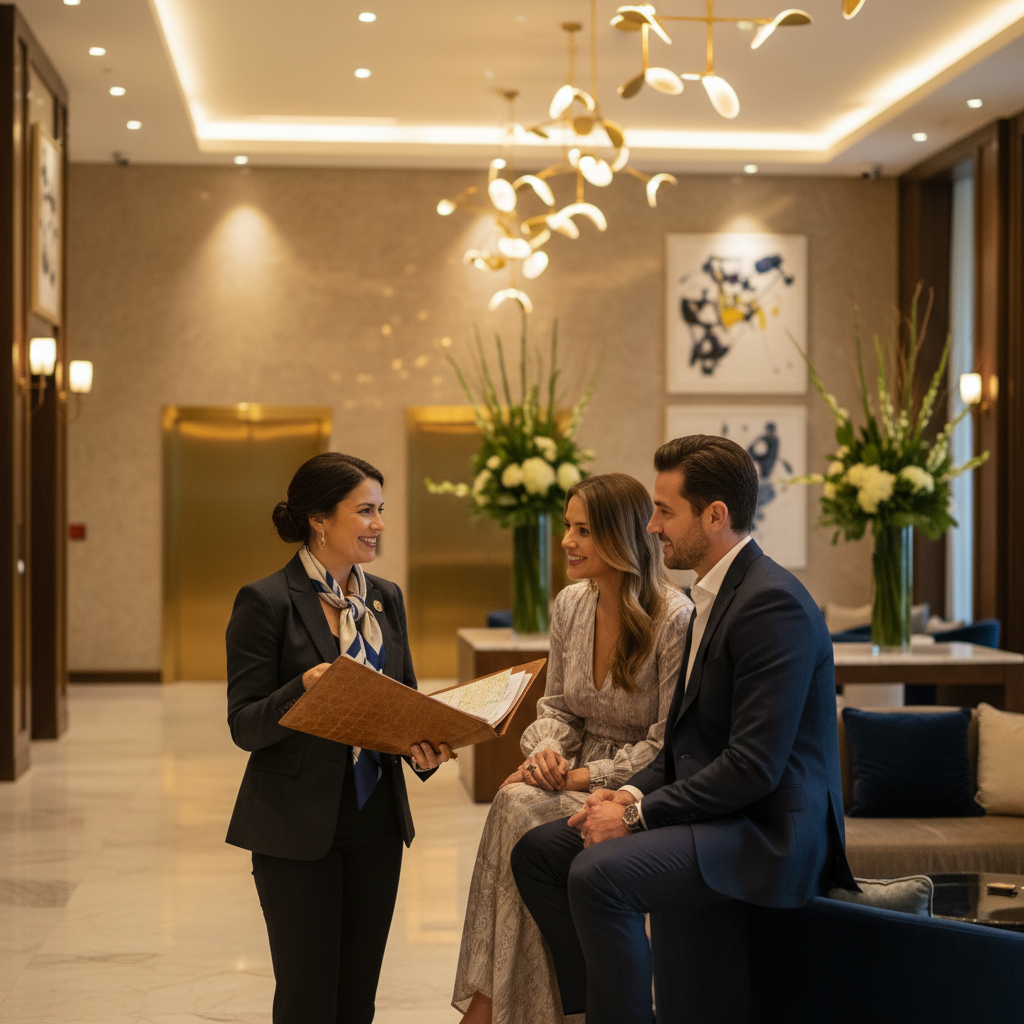
The most exclusive experiences emerge from cultivated relationships with key industry contacts
A key differentiator in luxury travel is the ability to access experiences not available to the general public. This is achieved through building strong relationships with hoteliers, tour operators, and local service providers. By establishing rapport with hotel management, travel advisors can often secure complimentary upgrades, special amenities, and priority services for their clients.
Working with a bespoke travel agency provides access to networks that take years to develop independently. These agencies maintain relationships with general managers at premier properties, have direct lines to destination management companies, and can call in favors that transform good trips into extraordinary ones. The goal is to make every client feel like they are the only client—a standard that requires substantial infrastructure to maintain.
For those interested in art and history tours with expert guides, relationships become even more critical. Access to private collections, after-hours museum visits, and conversations with leading scholars requires connections that extend beyond the hospitality industry into cultural institutions and academic networks. These experiences—viewing a private Picasso collection or touring the Vatican with a renowned art historian—represent the pinnacle of curated travel.
The Strategic Budget Allocation Framework
A strategic approach to budgeting is essential for both the traveler and the travel professional. Experts recommend a tiered approach to budget allocation, breaking it down into "must-haves," "enhancements," and "flexibility." This framework allows for the prioritization of key experiences while leaving room for spontaneous additions that can elevate a journey from excellent to unforgettable.
For a high-end trip, a significant portion of the budget will likely be allocated to accommodation and unique experiences. However, the distribution varies based on trip purpose. A culinary-focused journey through Japan might allocate more to dining experiences and cooking classes, while an African safari experience concentrates spending on premium camp accommodations and specialized guide services.
Transportation choices significantly impact both budget and experience quality. Private jet travel eliminates the friction of commercial aviation while enabling itineraries impossible with scheduled flights. Similarly, luxury yacht charters offer flexibility to explore coastal regions at your own pace, with the vessel serving as both transportation and accommodation. These options command premium pricing but deliver proportionally enhanced experiences for those who value time and privacy.
Sustainability and Ethical Luxury Travel
Eco-consciousness is no longer a niche concern but a significant factor in travel decisions for the majority of high-net-worth individuals. Travelers are increasingly choosing to support luxury travel operators and destinations that prioritize environmental sustainability and ethical practices. This shift has prompted properties worldwide to implement meaningful sustainability initiatives beyond superficial greenwashing.
The intersection of luxury travel and philanthropy represents an emerging category that allows travelers to create positive impact while enjoying premium experiences. This might involve supporting conservation efforts during an Antarctic expedition cruise, funding community development projects during a cultural immersion trip, or participating in wildlife protection initiatives at African safari lodges. These experiences appeal to travelers who seek meaning alongside comfort.
Luxury wellness retreats increasingly incorporate sustainability into their offerings, recognizing that personal health and planetary health are interconnected concerns for their clientele. Properties focusing on holistic health and biohacking now source ingredients locally, minimize waste, and design programs that connect guests with the natural environment rather than isolating them from it.
Conclusion
Strategic luxury travel planning transforms journeys from mere transportation into transformational experiences
Curating the perfect luxury travel experience requires a sophisticated blend of self-knowledge, strategic planning, relationship cultivation, and technological leverage. The most memorable journeys emerge when travelers invest time in understanding their own preferences, work with professionals who have cultivated the right relationships, and remain open to experiences that challenge and transform rather than merely pamper.
The luxury travel market's projected growth reflects not just increasing wealth but evolving expectations. Today's discerning travelers understand that true luxury lies in personalization, access, and meaning—elements that cannot be purchased off the shelf but must be carefully architected through strategic planning and expert execution.
Whether you choose to work with a bespoke agency or develop your own planning expertise, the principles remain consistent: define your priorities clearly, build relationships that unlock exclusive access, allocate resources strategically, and remain committed to experiences that align with your values. The result is not just a trip, but a journey that resonates long after you return home.
Ready to Begin Your Journey?
Explore our comprehensive guides to specific luxury travel experiences, from private island escapes to expedition cruises. Each resource provides detailed insights to help you plan your perfect journey.
Explore Luxury Travel PlanningReferences
- Gateway Travel - Luxury Travel Planning Insights
- Sarah Casewit - Bespoke Travel Advisory
- Curated Luxury Journeys - Experience Design
- Vertu - Luxury Lifestyle and Travel
- WeTravel - Travel Industry Technology
- ResearchGate - Luxury Tourism Research
- TravelFeed - Travel Content and Monetization
- Nest Financial - Travel Budget Planning
Continue Exploring
Discover more insights on luxury travel planning and exclusive experiences in our curated collection of guides.