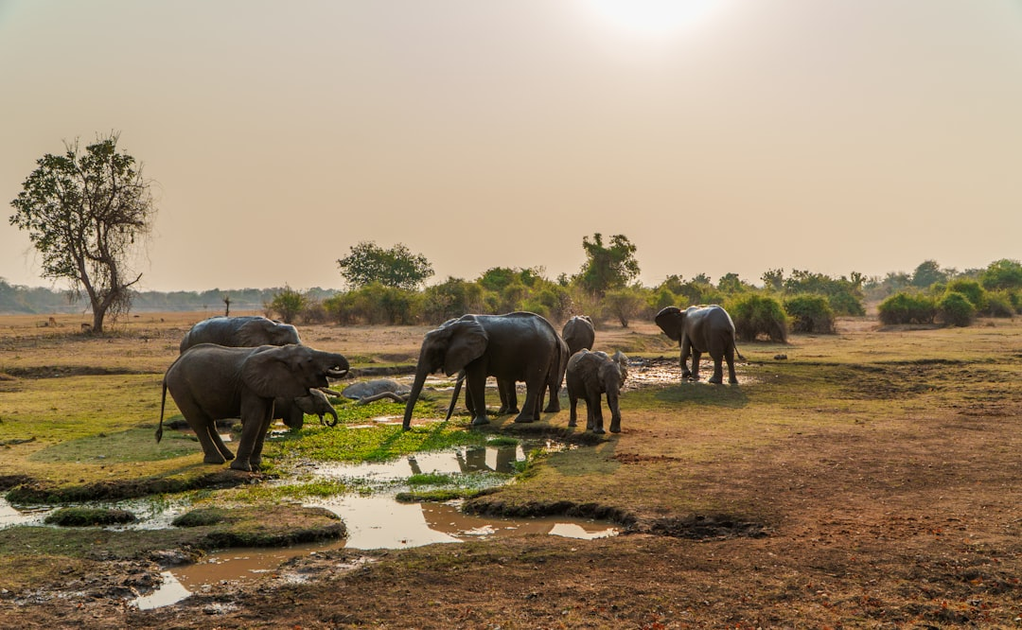
The luxury African safari has undergone a fundamental transformation. Where once travelers accepted standardized itineraries and crowded game drives, today's high-net-worth adventurers demand something radically different: hyper-personalized journeys crafted by specialists with intimate, on-the-ground knowledge of each destination. Private conservancies have emerged as the preferred choice over national parks, offering exclusive access to activities like night drives and guided bush walks while limiting visitor numbers to ensure wildlife encounters remain genuinely intimate. This shift represents more than upgraded accommodations—it signals a new philosophy where luxury means connection, impact, and transformation.
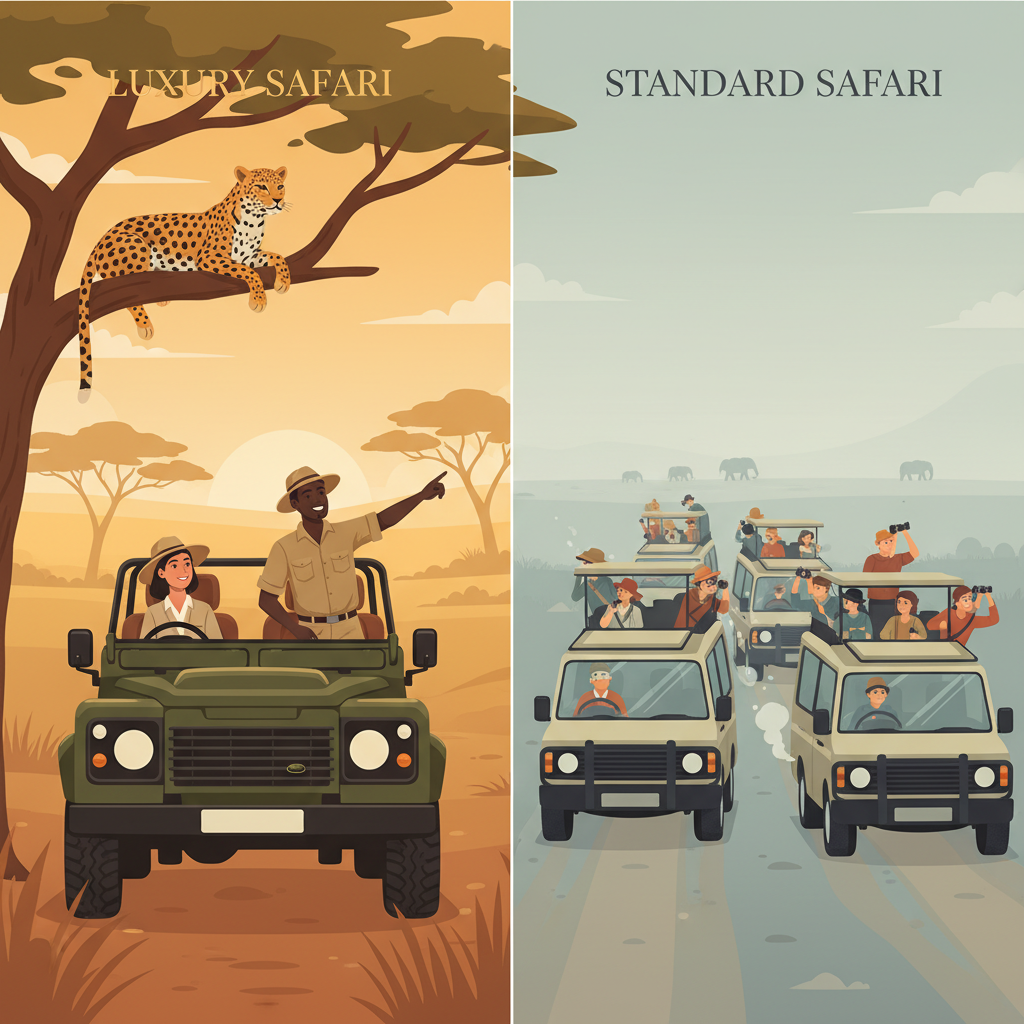
The contrast between luxury private conservancy experiences and standard safari tours
Bespoke Journeys and Hyper-Personalization
Cookie-cutter safari packages have become relics of a bygone era. The modern luxury safari operates on a fundamentally different model: collaborative design between discerning travelers and specialized travel designers who possess deep expertise in specific regions and properties. This partnership begins months before departure, with detailed conversations about interests, physical capabilities, and aspirations that shape every element of the journey.
Consider the difference this makes in practice. A keen wildlife photographer might work with their designer to position themselves at Singita Boulders Lodge in South Africa's Sabi Sand Reserve during the optimal lighting windows, with a private vehicle and guide who understands photographic composition. Their itinerary would prioritize specific hides and waterholes known for predator activity, with flexible timing that allows extended sessions when conditions align perfectly.
This level of customization extends to every facet of the experience. Families traveling together might opt for exclusive-use villas that come fully staffed with private chefs, butlers, and dedicated field guides. These properties offer complete freedom—game drives scheduled around children's energy levels, meals tailored to young palates, and activities designed to engage all ages. A couple celebrating their honeymoon, conversely, might select a secluded tented camp with romantic touches like private bush dinners under the stars and intimate sundowner experiences on rocky outcrops overlooking the savanna.
Working with a bespoke travel agency ensures this personalization happens seamlessly. These specialists maintain relationships with lodge managers and guides across the continent, enabling them to secure preferred suites, arrange special experiences, and troubleshoot issues before they affect your journey.
Expert insights on planning a personalized luxury safari experience
Exclusive Accommodations and Private Conservancies
The distinction between national parks and private wildlife conservancies represents perhaps the most significant factor in luxury safari quality. While national parks like the Masai Mara and Serengeti harbor incredible wildlife densities, they can become crowded during peak seasons, with multiple vehicles converging on predator sightings. Private conservancies have emerged as the solution for travelers who prioritize intimacy and exclusivity.
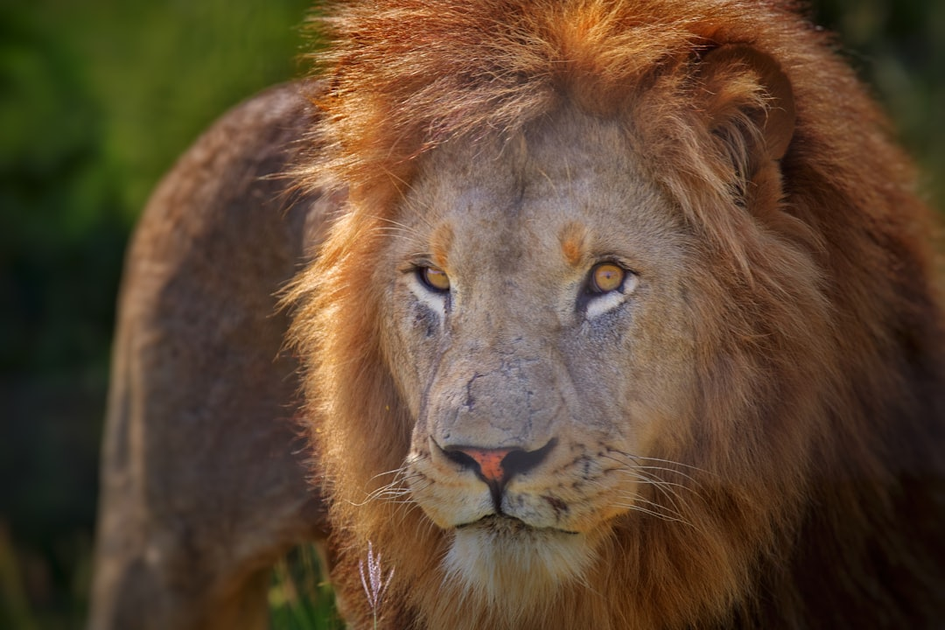
The caliber of wildlife encounters possible in well-managed private conservancies
These conservancies limit visitor numbers and vehicle counts, ensuring uncrowded wildlife sightings even during peak migration periods. More significantly, they permit activities prohibited in national parks: night game drives that reveal nocturnal predators like leopards and aardvarks, guided bush walks that engage all senses and teach tracking skills, and off-road driving that allows vehicles to follow animals into the bush for closer observation.
The accommodation landscape has evolved to match these elevated expectations. Luxury lodges are becoming smaller and more integrated with their natural surroundings, featuring fewer suites with more personal space. Properties like Mombo and Little Mombo Camp in Botswana's Okavango Delta or Lion Sands Game Reserve in South Africa exemplify this trend—stunning locations overlooking private waterholes, sustainable design using natural materials, and service ratios that ensure every guest feels individually attended.
Many conservancies operate through partnerships with local communities, where landowners lease their land for conservation and tourism. This model provides direct financial benefits to communities while creating powerful incentives to protect wildlife. When local families receive income from safari tourism, poaching becomes economically irrational—transforming potential poachers into protectors.
Inside the world's most exclusive safari lodges and private conservancies
Optimal Timing and Seasonal Strategies
The optimal time for game viewing in most of East and Southern Africa falls during the dry season—typically July to October in East Africa and May to September in Southern Africa. During these months, vegetation thins dramatically, and animals concentrate around diminishing water sources, making them significantly easier to locate. The famous Great Migration reaches Kenya's Masai Mara between July and October, offering spectacular river crossings and predator-prey interactions.
Wildlife Viewing Quality by Season & Region (Score out of 100)
Dry season periods consistently offer superior wildlife viewing due to reduced vegetation and water concentration
However, savvy travelers increasingly recognize the advantages of shoulder and green seasons. April through May and November offer a compelling alternative: lush landscapes transformed by recent rains, dramatic storm-lit skies perfect for photography, newborn animals taking their first steps, and significantly fewer visitors. Lodges often offer reduced rates during these periods, making ultra-luxury properties more accessible.
Duration matters enormously for immersion. Safari experts consistently recommend a minimum of three nights in a single location to fully appreciate the rhythms of the bush. Rushing between camps prevents the deep connection that transforms a trip from sightseeing to genuine experience. For comprehensive exploration across different ecosystems—perhaps combining the Okavango Delta's waterways with the Serengeti's plains—plan for 10 to 14 days minimum.
Understanding seasonal patterns for optimal safari planning
Sustainability and Conservation Integration
The concept of luxury in the safari industry has become inseparable from sustainability and conservation impact. High-end travelers increasingly demand transparency about how their investment supports wildlife protection and local communities. This represents a fundamental shift from passive tourism to active participation in conservation outcomes.
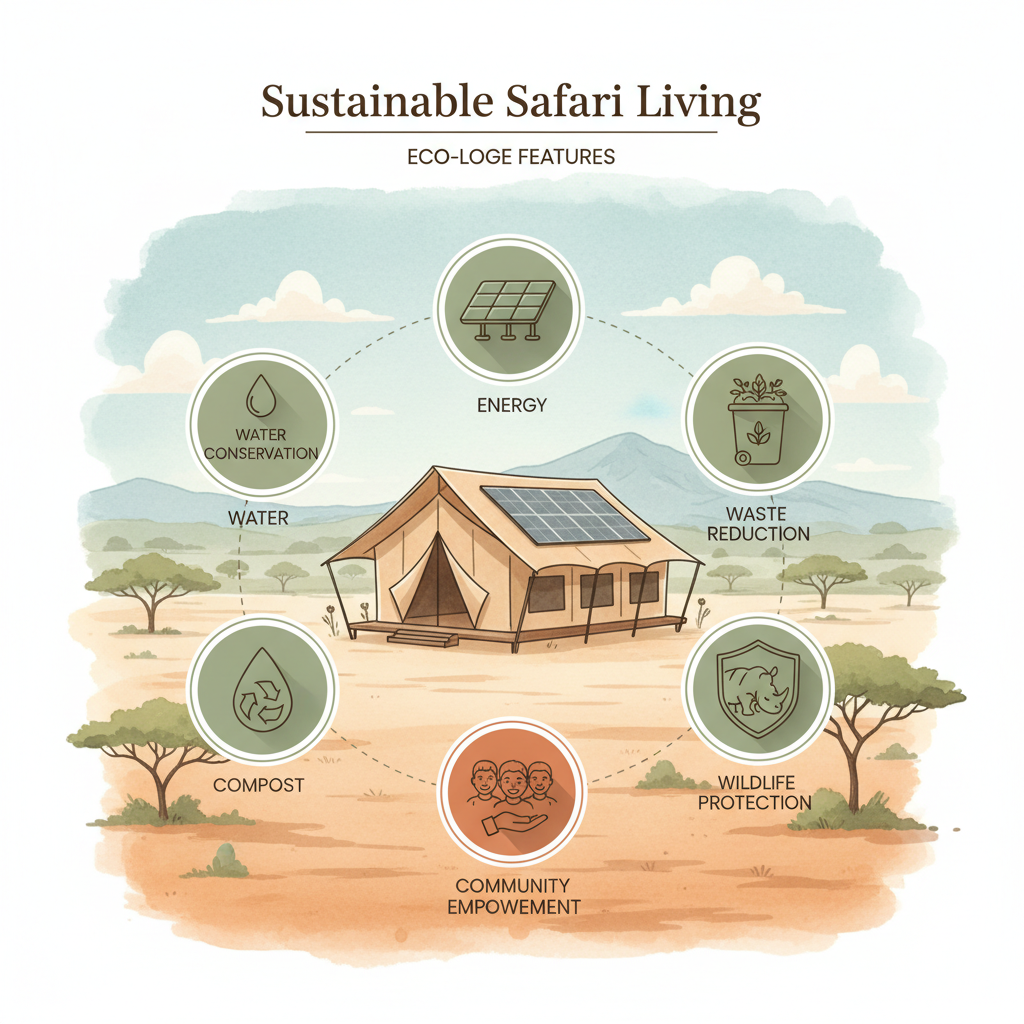
Sustainable practices powering modern luxury safari operations
Technical innovations have enabled remote lodges to operate with minimal environmental footprint while maintaining five-star comfort. Many properties now harness solar energy through dedicated solar farms, eliminating reliance on diesel generators that once defined bush camp operations. Advanced water filtration systems provide clean drinking water while eliminating single-use plastic bottles—a significant achievement given the logistical challenges of remote locations.
Water conservation extends to greywater recycling and rainwater harvesting systems that dramatically reduce freshwater consumption. Comprehensive waste management programs include recycling and composting organic materials, with some lodges achieving near-zero landfill contributions. New construction increasingly employs 3D laser scanning to map terrain and design around existing trees and natural features, minimizing disturbance to established ecosystems.
For travelers seeking alignment between their values and their adventures, this intersection of luxury and philanthropy represents a powerful opportunity. Your safari investment directly funds anti-poaching patrols, wildlife monitoring programs, and community development initiatives. Many lodges offer transparency reports detailing exactly how tourism revenue translates to conservation outcomes—transforming guests from observers into stakeholders in wilderness preservation.
Expert Guidance and Immersive Experiences
The quality of a safari experience correlates directly with the expertise of guides and trackers. A great guide transcends the role of driver—they function as naturalist, storyteller, and host who interprets the sights and sounds of the bush, transforming what might appear as empty savanna into a narrative rich with ecological drama. The difference between adequate and exceptional guiding can elevate or diminish even the most luxurious accommodation.
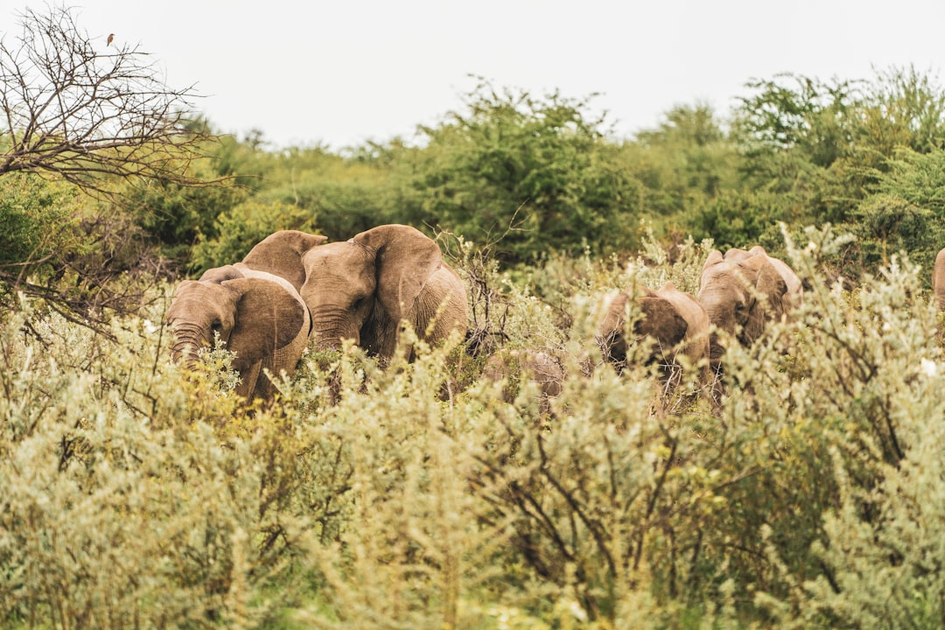
Expert guides transform wildlife viewing into deep ecological understanding
Top-tier safari operators invest heavily in guide training and development. The Field Guides Association of Southern Africa (FGASA) provides recognized certification with various qualification levels, from basic to specialist ratings in dangerous game and specific ecosystems. Premium packages typically include access to senior guides who hold advanced certifications and possess decades of field experience.
Beyond traditional game drives, luxury safaris now encompass diverse activities that engage different aspects of the wilderness. Walking safaris offer intimate encounters with the smaller details of the bush—tracking spoor, identifying medicinal plants, and understanding the interconnected web of life that supports charismatic megafauna. Night drives reveal an entirely different cast of characters: leopards on the hunt, aardvarks emerging from burrows, and the hypnotic eyes of nocturnal predators caught in spotlight beams.
Essential gear recommendations from experienced guides include high-quality binoculars to appreciate smaller details and diverse birdlife, and comfortable walking shoes for bush walks and lodge exploration. Many luxury lodges provide Swarovski or Leica optics for guest use, but personal binoculars ensure familiarity with your equipment during critical sighting moments.
The art of expert safari guiding and wildlife interpretation
Culinary Excellence and Cultural Engagement
Culinary journeys have become central to the luxury safari experience, with lodges offering gourmet dining that rivals top international restaurants. Talented chefs create sophisticated menus featuring locally sourced, seasonal ingredients that provide authentic tastes of the region. The logistics of delivering fine dining in remote bush locations—often accessible only by small aircraft—represents a remarkable operational achievement.
Unique dining experiences amplify the adventure. Bush dinners under the stars, illuminated by hurricane lanterns and surrounded by the sounds of the African night, create indelible memories. Picnics in scenic locations—perhaps overlooking a river where hippos surface and elephants drink—transform meals into immersive experiences. Traditional boma dinners around crackling fires connect guests to the communal traditions of African hospitality.
Cultural engagement has evolved beyond superficial village visits to encompass genuinely immersive experiences that foster authentic connections. Travelers can forage with the Hadzabe in Tanzania, one of the last remaining hunter-gatherer communities, learning traditional techniques passed down through countless generations. Learning tracking skills from the San people of Botswana connects guests to humanity's oldest surviving culture and their profound understanding of the natural world.
Visiting Maasai communities offers insights into semi-nomadic pastoral traditions that have coexisted with wildlife for centuries. These interactions work best when arranged through operators who prioritize community-based tourism models, ensuring visits generate meaningful economic benefits while preserving cultural authenticity. The goal is mutual exchange rather than performance—conversations that enrich both visitors and hosts.
Culinary and cultural dimensions of the luxury safari experience
Logistics and Planning Considerations
The remote nature of premier safari destinations necessitates sophisticated logistical planning. Private charter flights have become essential components of luxury safari travel, allowing guests to bypass commercial airports and fly directly to remote airstrips near their lodges. This not only saves valuable time—often reducing multi-hour road transfers to brief scenic flights—but adds to the sense of exclusivity and adventure.
Helicopter transfers access the most remote and otherwise inaccessible locations, opening possibilities for exclusive experiences impossible to reach by road or fixed-wing aircraft. Some ultra-luxury itineraries incorporate helicopter game viewing, offering aerial perspectives on wildlife movements and landscape features invisible from ground level.
A comprehensive luxury safari package typically includes private transfers, internal flights between camps, conservation levies that fund wildlife protection, premium guiding, most meals and beverages (often including premium wines and spirits), and curated experiences tailored to guest interests. Understanding what's included—and what represents additional cost—prevents surprises and ensures accurate budgeting.
Combining safari with beach destinations has become a popular pattern, particularly in East Africa where the transition from national parks to Indian Ocean coastlines can happen seamlessly. An ultra-luxury itinerary might span 19 nights across six destinations: Cape Town for urban sophistication, Kruger National Park for Big Five encounters, Victoria Falls for natural wonder, the Okavango Delta for water-based wilderness, and the Seychelles for pristine beach relaxation. For those seeking island luxury, explore our guide to private island resorts that complement safari adventures.
Planning logistics for seamless luxury safari experiences
Multi-Generational Family Safaris
Luxury African safaris have emerged as exceptional settings for multi-generational family travel, offering shared experiences that create lasting bonds across age groups. The combination of adventure, education, and natural wonder appeals equally to grandparents, parents, and children—each finding their own connection to the wilderness while sharing transformative moments together.
Exclusive-use properties excel for family groups, providing the flexibility to accommodate varying schedules and interests. Young children might enjoy shorter morning game drives followed by pool time and junior ranger programs, while teenagers embark on extended bush walks and photography sessions. Grandparents can participate at their own pace, perhaps enjoying leisurely brunch while watching wildlife from the lodge deck before joining afternoon activities.
Many luxury lodges have developed sophisticated children's programs that go far beyond babysitting. Junior ranger courses teach tracking, wildlife identification, and conservation principles through hands-on activities. Some properties offer specialized family suites with interconnected rooms, private pools, and dedicated family hosts who ensure activities remain engaging for all ages.
The educational dimension of safari travel resonates particularly strongly with families seeking meaningful experiences over passive entertainment. Children who witness a lion hunt, help identify animal tracks, or learn about conservation challenges from local guides gain perspectives impossible to replicate in classrooms or through screens. These experiences often spark lifelong interests in wildlife and environmental stewardship.
Crafting Your Transformative Safari Journey
The luxury African safari has evolved into something far more profound than a wildlife viewing trip. It represents an opportunity for transformation—a chance to disconnect from digital noise, reconnect with natural rhythms, and contribute meaningfully to conservation and community development. The best safari experiences leave travelers fundamentally changed, carrying home not just photographs but new perspectives on humanity's relationship with the wild.
Success requires thoughtful planning with specialists who understand both the logistics and the intangibles that elevate good trips to exceptional ones. Prioritize private conservancies for intimacy and exclusive activities. Allow sufficient time—minimum three nights per location—to truly immerse rather than merely visit. Choose operators whose conservation and community values align with your own.
Whether you seek the drama of the Great Migration, the water wilderness of the Okavango Delta, or the intimate encounters possible in South Africa's private reserves, the ultimate luxury safari awaits those willing to invest in genuine experience over superficial tourism.
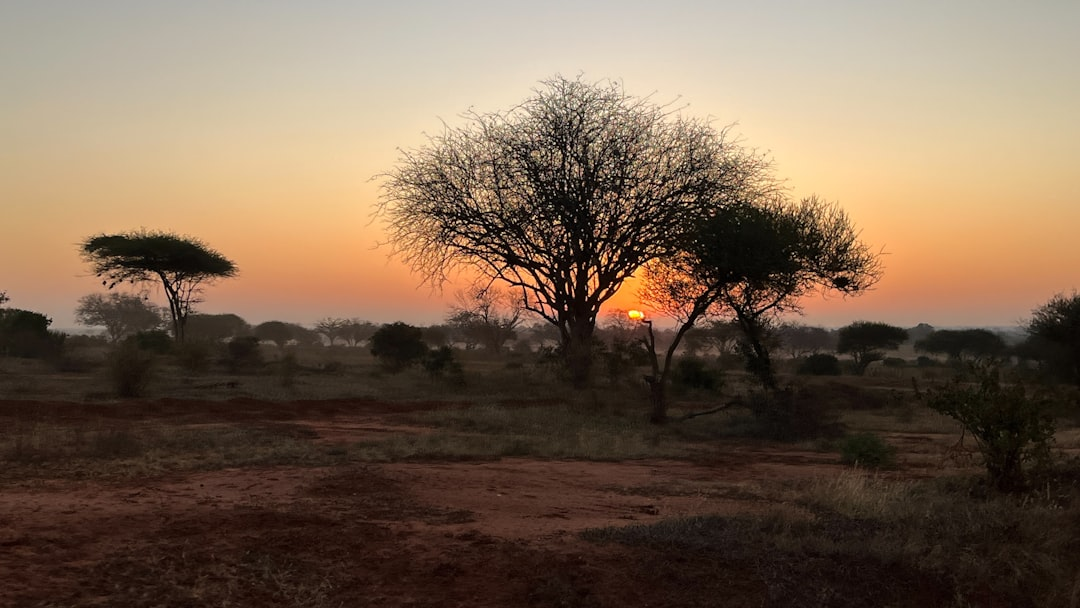
The magic of bush dining under African stars—moments that define luxury safari travel
References
- Mopani Safaris - Luxury Safari Experiences
- Forbes - African Safari Travel Trends
- The Luxury Africa - Premium Safari Guide
- Go2Africa - Safari Planning Resources
- Rhino Africa - Safari Expertise
- Africa Geographic - Wildlife and Conservation
- Ker & Downey Africa - Luxury Safari Specialists
- Safari Frank - Expert Safari Advice
Continue Your Journey
Explore more extraordinary destinations and experiences curated for discerning travelers seeking transformative adventures.