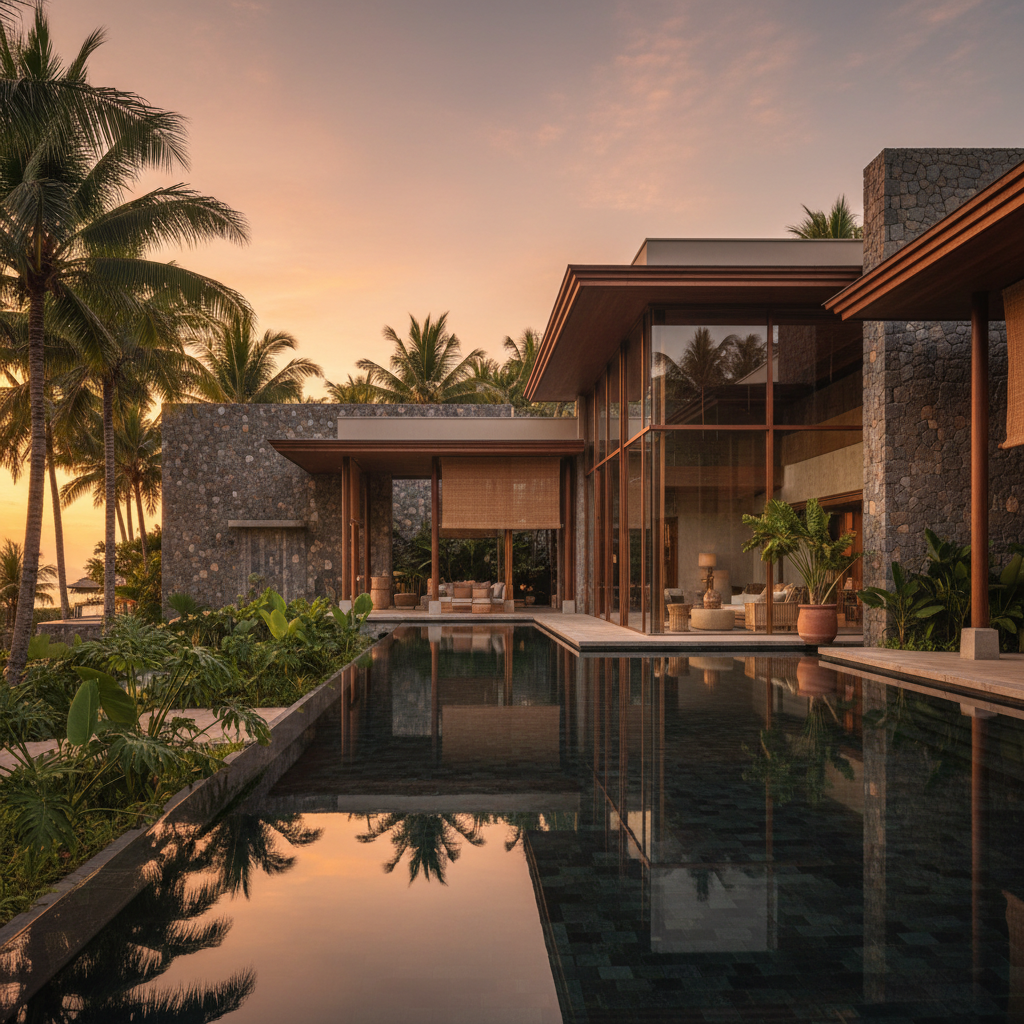
Adrian Zecha opened Amanpuri in Phuket, Thailand in 1988 with a radical premise: the most luxurious hotel experience would be one that felt nothing like a hotel at all. The name, derived from the Sanskrit word for "peace," established a philosophy that would eventually spawn a global collection of properties and an almost cult-like devotion among travelers who call themselves "Amanjunkies." What distinguishes Aman from its competitors isn't the thread count or the gold leaf—it's the deliberate absence of excess, the architecture designed to disappear into its surroundings, and a service model so personalized that guests never sign for anything during their stay.

The founding philosophy of Aman: peace, minimalism, and cultural reverence
Founding Philosophy: Peace as a Brand Promise
Zecha's vision rejected the conventional markers of luxury hospitality. Where competitors competed on amenities, marble lobbies, and celebrity chef restaurants, Aman pursued what might be called aggressive simplicity. The founding principle centered on creating intimate sanctuaries where guests would feel like visitors to a private home rather than customers at a commercial establishment. This philosophy manifests in tangible ways: there are no check-in desks at Aman properties, no requirement to sign receipts, and a deliberate absence of the transactional friction that characterizes even the finest traditional hotels.
The brand's approach to location selection reveals another dimension of this philosophy. Many Aman properties sit near or on UNESCO-protected sites, positioning cultural and natural heritage as the primary attraction rather than the hotel itself. This deep respect for place means that each property becomes a lens through which guests experience the destination, rather than a destination unto itself. The architecture, designed by some of the world's most celebrated architects, intentionally recedes into the background, using local materials and forms that honor rather than compete with the landscape.
The Architecture of Restraint
Clean lines, natural materials, and an overwhelming sense of spaciousness define the Aman aesthetic. Properties often lack prominent signage, preserving a sense of discretion and discovery. The design ethos can be summarized as "less is more"—rejecting the opulent and often ostentatious displays that define traditional luxury hospitality. This restraint extends to room counts: Aman properties typically maintain fewer than 55 rooms, ensuring that the intimate scale supports the personalized service model that has become the brand's signature.
The architectural approach varies dramatically by location while maintaining consistent principles. A desert property will echo the surrounding landscape in earth tones and geometric forms, while an Asian property might incorporate traditional pavilion structures and water features. What remains constant is the intention: to create spaces that foster tranquility rather than demand attention. This philosophy attracts what the industry describes as "luxury minimalists"—travelers who prioritize privacy and cultural immersion over ostentatious displays of wealth.
An in-depth exploration of Aman's design philosophy and what makes the brand unique in luxury hospitality
Service Excellence: The Six-to-One Ratio
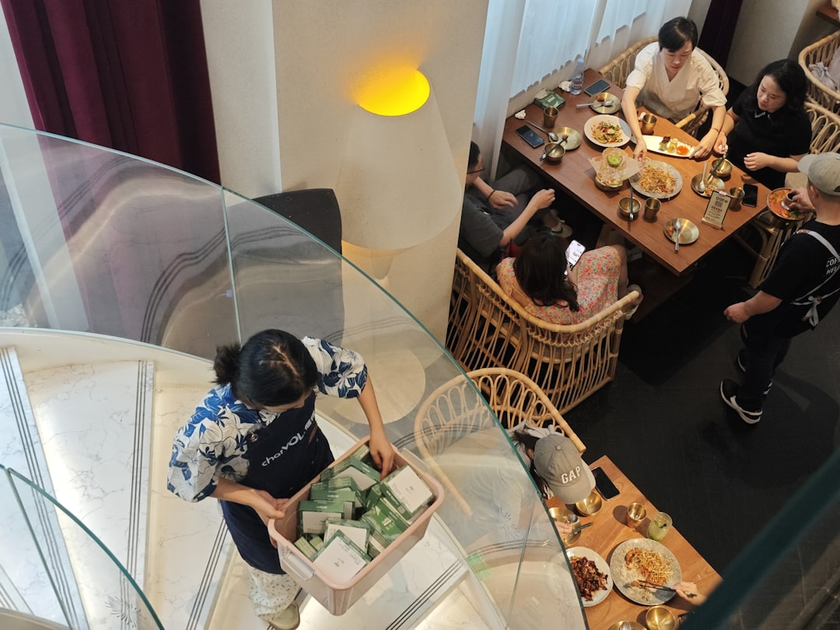
The signature Aman service experience: anticipatory, personalized, and utterly seamless
The staff-to-guest ratio at Aman properties can reach as high as six employees for every guest. This extraordinary allocation of human resources enables a service approach that operates on anticipation rather than response. Staff members learn guest preferences and needs without requiring explicit communication, creating the sensation of being cared for by an invisible but omnipresent hospitality force. The absence of check-in desks and signed receipts reinforces this—transactions happen behind the scenes, allowing the guest experience to remain uninterrupted by commercial mechanics.
Aman's recruitment strategy prioritizes attitude and cultural understanding over direct hotel industry experience. The brand seeks individuals who can embody the philosophy of genuine hospitality rather than simply execute standard procedures. This approach fosters a more authentic and personal connection between staff and guests, distinguishing Aman service from the polished but sometimes mechanical excellence found at other luxury properties. A proprietary guest management system centralizes preferences across all properties, ensuring that returning guests find their specific needs anticipated regardless of which Aman they visit.
Intuitive Hospitality
The hallmark of Aman service is its invisibility. Staff remember preferences without being intrusive, appearing precisely when needed and disappearing when privacy is preferred. This intuitive approach requires significant training and a particular temperament—the ability to read guests without asking, to anticipate without assuming, and to serve without servility. The result is an experience that luxury travel reviewers consistently describe as feeling like staying in a private home rather than a hotel.
However, maintaining this level of service consistency presents challenges, particularly as the brand expands. Some reviewers note that the signature seamlessness can occasionally fall short in urban locations where public access to the property is greater and the controlled environment of remote sanctuaries cannot be fully replicated. This tension between expansion and exclusivity represents one of the key strategic challenges facing Aman's leadership.
A detailed review examining the Aman service experience and what guests can expect
Signature Properties: Desert to Dynasty
The Aman portfolio spans some of the world's most remarkable landscapes and cultural sites, each property designed to serve as a gateway to its specific environment. Rather than imposing a standardized brand template, each resort emerges from its location, creating a collection of unique experiences united by consistent service philosophy and design principles. Two properties exemplify this approach particularly well: Amangiri in the American Southwest and Amanyangyun outside Shanghai.
Aman's global portfolio includes some of the world's most stunning and secluded locations
Amangiri, Utah
Set within 600 acres in Canyon Point, Utah, Amangiri demonstrates how architecture can honor rather than compete with dramatic natural landscapes. The property's earth-toned structures echo the surrounding desert, with buildings that appear to emerge organically from the rock formations. The design incorporates a natural rock formation into the pool area, creating a swimming experience that feels like immersion in the landscape itself. Activities focus on the surrounding environment—hot air balloon rides over the canyons, guided hikes through slot canyons, and stargazing in one of North America's darkest sky regions.
For travelers interested in combining luxury accommodations with adventure and experiential travel, Amangiri represents a compelling alternative to traditional resort experiences. The property attracts guests seeking both the comfort of exceptional service and authentic engagement with the American Southwest's geological and cultural heritage. This positioning illustrates Aman's broader strategy of appealing to travelers who value experience over ostentation.
Amanyangyun, Shanghai
Perhaps no property better illustrates Aman's commitment to cultural preservation than Amanyangyun. The resort comprises ancient Ming and Qing dynasty villas that were relocated and meticulously restored after being threatened by development in Jiangxi province. This extraordinary preservation project involved moving thousands of ancient camphor trees along with the historic structures, creating a sanctuary of Chinese heritage within reach of Shanghai. The property offers guests the opportunity to stay in authentically restored dwellings while experiencing contemporary luxury amenities.
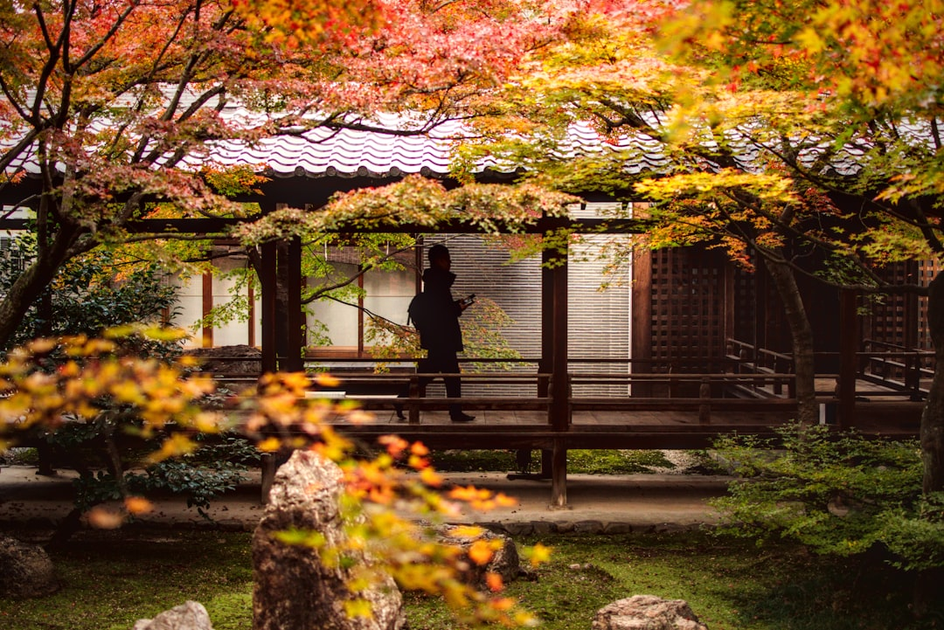
Aman properties like those in Japan demonstrate the brand's deep respect for local architectural heritage
The Amanyangyun project represents a significant investment in cultural heritage that goes beyond typical hotel development. For travelers interested in the intersection of luxury travel and cultural preservation—even philanthropy—this property demonstrates how hospitality can serve as a vehicle for heritage protection. The restored villas offer a living museum experience, where guests inhabit history while enjoying the seamless service that defines the Aman brand.
A visual journey through some of Aman's most iconic properties worldwide
Cultural Immersion: Beyond the Suite
A key differentiator for Aman is the emphasis on providing authentic, immersive cultural experiences that transcend typical tourist activities. The brand positions itself as a curator of unique access, offering guests experiences that would be difficult or impossible to arrange independently. These include monk blessings at sacred sites, after-hours access to historical monuments, and invitations to local ceremonies and celebrations. This commitment to cultural integration forms a core pillar of the Aman brand strategy, creating holistic experiences that extend far beyond accommodation.
The cultural programming varies dramatically by location but maintains consistent depth. In Southeast Asian properties, guests might participate in alms-giving ceremonies with Buddhist monks or receive private tutorials in traditional crafts. In Mediterranean locations, the focus might shift to archaeological exploration or culinary traditions. What remains constant is the level of access and authenticity—experiences designed by local experts and facilitated by the property's deep community relationships.

The range of exclusive experiences available to Aman guests extends far beyond traditional resort activities
Wellness and Holistic Experiences
Aman's wellness programming represents another dimension of the brand's experiential focus. Properties feature extensive spa facilities that draw on local healing traditions, from Ayurvedic treatments in India to traditional Chinese medicine in Shanghai. The wellness approach aligns with the broader Aman philosophy—emphasizing holistic wellbeing over superficial pampering, and integrating health practices with cultural context. For travelers seeking luxury wellness retreats that offer genuine transformation rather than mere relaxation, Aman properties provide a compelling option.
The culinary experiences at Aman properties also reflect this commitment to authenticity and quality. While reviewers note that dining can occasionally be inconsistent—not always the highlight of the stay—the emphasis on fresh, local ingredients and regional culinary traditions generally delivers experiences that complement the broader cultural immersion. Private dining arrangements, cooking classes with local chefs, and sourcing expeditions to local markets extend the culinary programming beyond restaurant service.
Exploring the wellness and cultural experiences that define the Aman guest journey
Strategic Evolution: Urban Sanctuaries and Janu
The brand's history includes significant ownership transitions. After Zecha sold a majority stake in 2007, Aman experienced a period of ownership struggles and legal disputes. Russian billionaire Vladislav Doronin assumed control in 2014, prompting concerns among loyal guests about potential dilution of the brand's unique identity. Under Doronin's leadership, Aman has pursued a phase of modernization and expansion that includes new property types and a sister brand—developments that have tested the balance between growth and exclusivity.
A significant 2022 investment spurred expansion into high-profile urban locations, including Aman New York and Aman Tokyo. These "urban sanctuaries" aim to bring the brand's ethos of peace and tranquility into the heart of bustling metropolitan centers. The strategy targets both business and leisure travelers, complementing the portfolio of remote sanctuaries with city-center options. However, some industry experts question whether the true essence of the secluded Aman experience can be fully replicated in metropolitan settings where the controlled environment is harder to maintain.
The introduction of Janu, a sister brand launched under Doronin's leadership, represents another strategic evolution. Targeting a younger, experience-driven demographic, Janu emphasizes social connection—a deliberate contrast to Aman's signature seclusion. This brand extension allows the company to capture a different market segment without compromising Aman's positioning. For travelers who appreciate the Aman aesthetic but seek more social environments, Janu offers an alternative within the same corporate family.
Aman Residences and the Future
The development of Aman Residences represents a significant expansion of the brand's business model. These branded residential properties allow devoted guests to own a permanent piece of the Aman experience, with units available at properties including Aman New York and Aman Miami. For ultra-high-net-worth individuals who have become "Amanjunkies," residence ownership provides continuous access to the brand's service philosophy and design aesthetic. This real estate component also diversifies the company's revenue streams beyond traditional hospitality operations.
Technologically, Aman focuses on enhancing rather than replacing its human-led service model. The proprietary guest management system centralizes guest profiles and preferences across all properties, enabling seamless personalization for returning guests. The brand also leverages AI for revenue optimization and employs Building Information Modeling (BIM) for sustainable design in new developments. These technological investments support the service philosophy rather than substituting for human interaction—a approach that distinguishes Aman from competitors pursuing more aggressive automation strategies.
Understanding Aman's strategic evolution and future direction under current ownership
Experiencing Aman: Access and Considerations

Understanding the pathways to experiencing Aman's exclusive hospitality
For travelers considering an Aman experience, several factors merit consideration. The brand's positioning at the apex of luxury hospitality means rates reflect the extraordinary staff ratios, intimate property scales, and exclusive locations. However, the value proposition extends beyond accommodation to encompass the cultural programming, personalized service, and access to experiences unavailable through other channels. Working with a bespoke travel agency can help navigate the booking process and ensure that specific preferences are communicated in advance.
The choice between remote sanctuary properties and urban locations depends on travel objectives. Those seeking complete disconnection and immersion in natural or cultural landscapes will find the traditional Aman experience most compelling. Business travelers or those combining city exploration with luxury accommodation might prefer the urban sanctuaries, understanding that the experience differs from the brand's founding model. Multi-generational family trips can be accommodated at properties with appropriate villa configurations, though the emphasis on tranquility means Aman may not suit families seeking extensive children's programming.
For travelers building a relationship with the brand, the centralized guest profile system means that preferences established at one property carry forward to future stays. Returning guests often report that this institutional memory creates an increasingly personalized experience over time, with staff anticipating needs based on documented preferences. This cumulative benefit rewards loyalty in ways that transcend typical hotel points programs—the currency is not discounts but ever-deepening personalization.
Practical insights for planning your first Aman experience
The Aman Difference
Aman's enduring appeal stems from its unwavering commitment to a founding philosophy that inverts conventional luxury hospitality. Where competitors add, Aman subtracts. Where others impose, Aman recedes. The result is an experience that feels less like staying at a hotel and more like being welcomed into a private world where peace, privacy, and place converge. For travelers who have experienced the full spectrum of luxury hospitality and found it wanting, Aman offers something genuinely different—not more opulent, but more intentional.
The brand's strategic evolution under current ownership tests whether this philosophy can scale into urban environments and new demographic segments while maintaining its essential character. The devoted "Amanjunkies" who have built their travel lives around the brand will continue watching closely. For those yet to experience an Aman property, the question is not whether the brand deserves its reputation, but which of its diverse properties best matches your own pursuit of peace.
References
- EHL Hospitality Insights - Aman Resorts Analysis
- The Luxury Travel Expert - Aman Resorts Review
- One Mile at a Time - Aman Properties Overview
- Sovereign Travel - Aman Resorts Guide
- The Fashion Law - Aman Brand Analysis
- Captivating Experiences - Aman Resorts
- Vladislav Doronin - Aman Leadership
- Andy's Travel Blog - Aman Experience
Continue Exploring Luxury Accommodations
Discover more exceptional properties and experiences in our curated collection of luxury resort guides and destination features.